Is Your Tap Water Safe? Why You Should Consider a Filtration System
Most of us turn on the tap and fill a glass without thinking twice. The water looks clear. It doesn’t smell too strong. So it must be fine, right?
In many cities, tap water does meet safety standards. Treatment plants remove bacteria and harmful germs before sending water to homes. That’s the good part.
But this is something that a lot of people don't think about.
Water travels through long pipelines before it reaches your kitchen. Some of those pipes may be old. Along the way, water can pick up rust, tiny particles, or traces of metals. It may also contain chlorine, which is added to kill germs but often affects taste and smell.
So while your tap water may be “safe,” it may not be as clean or fresh as you expect.
Small Signs Your Water May Need Attention
You don’t always need a lab test to notice changes. Sometimes your home tells you.
The water smells slightly like chlorine
You see white marks on taps or kettles
Your drinking water tastes metallic or bitter
Your skin feels dry after a shower
These signs don’t always mean the water is dangerous. But they do show that it may contain minerals or chemicals that you may not want every day.
This scenario is where a water filtration system for the home becomes useful.
Why People Choose to Filter Their Water
Installing a water filtration system for home is not about fear. It’s about improving quality.
A good filtration system can:
Reduce chlorine taste and smell
Remove sediments and visible particles
Lower certain heavy metals
Improve clarity and taste
Many people notice the difference right away. Drinking water tastes cleaner. Tea and coffee taste better. Even cooking feels different when you use filtered water.
If you live in an area with hard water, a water filtration system for your home can also help reduce scale buildup in appliances like kettles and washing machines.
Safe Does Not Always Mean Ideal
Government standards focus on keeping water within safe limits. But “within limits” does not always mean “best quality.”
For example, small amounts of chlorine may be allowed. But you may still taste it. Tiny amounts of minerals may be safe, but they can still leave stains and buildup.
When you install a water filtration system for your home, you add an extra step of protection inside your own house. You control what flows from your tap.
How to Decide If You Need One
Start simple.
Check your local water report. Pay attention to taste and smell. If you want more clarity, use a basic water testing kit.
You don’t always need a large, expensive setup. Some homes benefit from a simple under-sink filter. Others may prefer a whole-house system.
The goal is not to overcomplicate things. The goal is better everyday water.
The Bottom Line
At the end of the day, clean water matters. You drink it, cook with it, and use it every single day. A water filtration system for the home is a simple way to make sure the water you rely on feels as clean and fresh as it should.
Frequently Asked Questions
If my tap water is treated, why should I filter it?
Treatment plants remove many harmful germs. But water can still pick up particles or chemicals during distribution. A home filter adds another layer of protection.
Does boiling water replace a filtration system?
Boiling kills bacteria. It does not remove heavy metals, chlorine, or dissolved minerals. A filtration system targets different types of impurities.
Is a water filtration system for home hard to maintain?
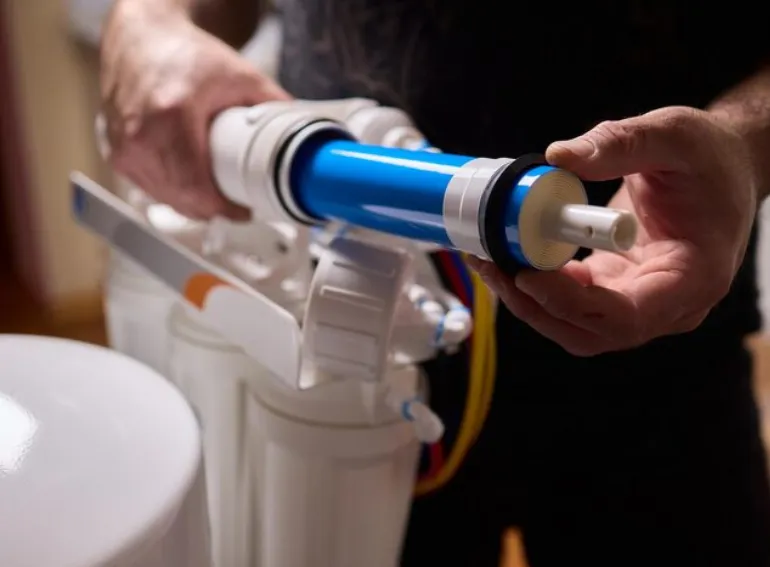
Not really. Most systems need to have their filters changed every six to twelve months. Replacing parts on a regular basis keeps the system running smoothly.