Whole-House Well Water Filtration System vs Point-of-Use Filters
If your home uses well water, you probably think about water more than most people. You notice the smell, the taste, the stains, or how your skin feels after a shower. That’s usually when people start looking for a well water filtration system.
But very quickly, confusion starts.
Should you filter all the water in your home? Or should you just filter the water you drink?
Let’s talk about this slowly and simply.
What a Whole-House Well Water Filtration System Does
A whole-house well water filtration system works at the main water line where water enters your home. This means every drop of water coming into your house gets filtered first.
So the water you:
Drink
Cook with
Shower with
Wash clothes with
All of it is cleaner. This type of system helps improve water quality across your entire home, not just one room.
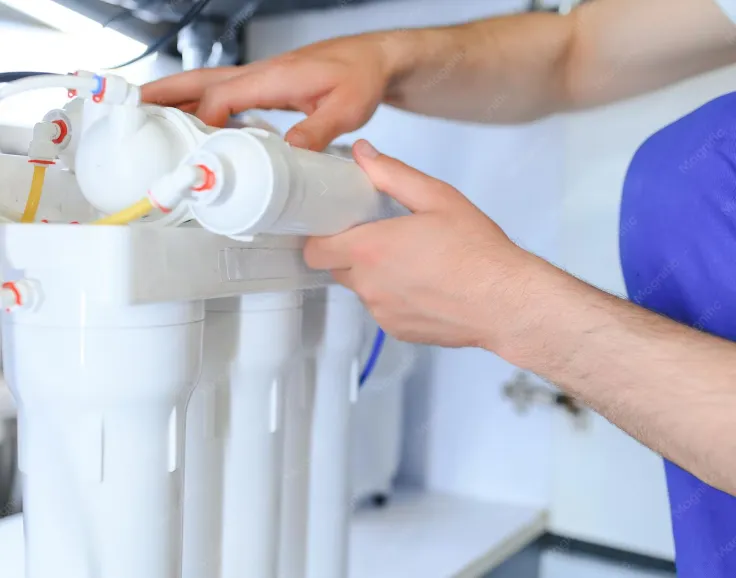
What Point-of-Use Filters Do
Point-of-use filters work only at one place. Usually, this is:
A kitchen sink filter
A tap-mounted filter
A water jug
These filters clean water only where they are installed. If you filter your kitchen tap, your bathroom and shower water stay the same.
Point-of-use filters are simple, but they solve only part of the problem.
The Real Difference Between the Well Water Filtration and Point-of-use Filters
The biggest difference is how much water gets filtered.
A whole-house well water filtration system treats all the water you use every day. Point-of-use filters treat only one small area.
If your well water has sediment, a bad smell, or minerals, filtering one tap won’t stop those problems in the rest of your home.
How This Affects Daily Life
Think about how often you use water during the day. It’s not just for drinking.
You shower
You wash dishes
You do laundry
You wash your hands many times
A whole-house well water filtration system helps make all these daily moments better. People often notice softer skin, cleaner clothes, and fewer stains on sinks and toilets.
Point-of-use filters mainly help with taste while drinking water. They don’t help with showers, pipes, or washing machines.
Cost: Short-Term vs. Long-Term Thinking
Point-of-use filters usually cost less at the start. That’s why many people choose them first.
But over time, you may end up buying many filters and replacing them often. That can add up.
A whole-house well water filtration system costs more in the beginning, but it covers everything in one system. For many families, it feels like a better long-term solution.
Maintenance Made Simple
With point-of-use filters, you must remember when to change each one. If you forget, the filter stops working properly.
With a whole-house well water filtration system, you usually maintain one main system. It’s easier to track and easier to manage.
Which One Should You Choose?
A whole-house well water filtration system is a good choice if:
Your well water affects taste, smell, or stains
You want cleaner water everywhere
You want to protect pipes and appliances
Point-of-use filters can work if:
You only care about drinking water
Your water problems are small
Many well water homes choose a full well water filtration system because it gives comfort and peace of mind every day.
A Simple Way to Decide
If you want a small fix for one tap, choose a point-of-use filter. If you want clean water throughout your home, choose a whole-house well water filtration system.
Clean water should feel easy, not confusing.
Frequently Asked Questions
Is a whole-house well water filtration system worth it?
Yes, especially if your well water affects many areas of your home.
Can point-of-use filters replace a full well water filtration system?
No. They help in one place but do not treat all the water in your house.
Should I test my well water before choosing a system?
Yes. A water test helps you choose the right well water filtration system.