Water Softener and Reverse Osmosis FAQs
Got a question? We’re here to help.
How do I know if my home has hard water?
Common signs of hard water include white scale on faucets and shower doors, dry skin, stiff laundry, water spots on dishes, soap that does not lather well, and buildup inside plumbing fixtures and appliances.
Most Central Florida homes have some level of hardness. A professional water test can determine the hardness level and help identify the proper system size.
How does a water softener work?
A traditional salt-based water softener uses a process called ion exchange. The system removes hardness minerals, primarily calcium and magnesium, and replaces them with a small amount of sodium.
The result is softer water that reduces scale buildup, improves soap performance, and helps protect plumbing fixtures and water-using appliances.
What size water softener do I need?
The correct size depends on:
* Number of people in the home
* Number of bathrooms
* Water hardness level
* Daily water usage
* Well water or city water
* Iron or sulfur levels, if applicable
A system should be sized based on the home’s actual water demand, not simply the square footage. An undersized system may regenerate too frequently and wear out prematurely.
Does a water softener remove chlorine?
A standard water softener primarily removes hardness minerals. It does not effectively remove chlorine by itself.
To reduce chlorine, chemical taste, and odors, the system should include activated carbon or catalytic carbon filtration. Florida Pure Water Services offers whole-home systems that combine hardness treatment with carbon filtration.
What is the difference between salt-based and salt-free systems?
A salt-based water softener physically removes calcium and magnesium from the water. This provides true soft water and is generally the strongest option for homes with significant hardness.
A salt-free system does not remove the hardness minerals. Instead, it conditions them to help reduce scale buildup.
Salt-free systems may be appropriate for homeowners who do not want to use salt, but they will not produce the same soft-water feeling as a traditional water softener.
Is softened water safe to drink?
Properly treated softened water is generally safe for most people to drink. The softening process adds only a small amount of sodium based on the original hardness level.
Homeowners who are concerned about sodium or who want higher-quality drinking water can add a reverse osmosis system at the kitchen sink.
What does a reverse osmosis system remove?
A properly maintained reverse osmosis system can significantly reduce many dissolved contaminants, including:
* Lead
* Fluoride
* Arsenic
* Nitrates
* Sodium
* Chlorine byproducts
* PFAS, depending on the system and certification
* Dissolved solids
* Unpleasant tastes and odors
The exact contaminants removed depend on the membrane, filters, system design, and water conditions.
Do I need both a water softener and reverse osmosis system?
The two systems perform different jobs.
A water softener treats water throughout the entire home by reducing hardness and scale. A reverse osmosis system provides highly filtered drinking and cooking water, usually from a dedicated kitchen faucet.
Many homeowners choose both because the softener protects the home while the reverse osmosis system improves drinking water quality.
How often should water softeners and reverse osmosis systems be serviced?
A water softener should generally be inspected and serviced at least once per year. Salt levels should also be checked regularly.
Reverse osmosis prefilters and postfilters are usually replaced every 6 to 12 months. The membrane commonly lasts approximately 2 to 5 years, depending on water quality and usage.
Regular maintenance helps preserve water quality, efficiency, and equipment life.
How much does a water treatment system cost?
The price depends on the home, water conditions, system size, equipment quality, installation requirements, and whether the homeowner needs a softener, carbon filtration, reverse osmosis, or well-water treatment.
Cheap systems sold online may not include proper sizing, professional installation, programming, startup, testing, or ongoing support.
Florida Pure Water Services is not the cheapest and not the most expensive. We are the safer middle option for homeowners who want the water problem solved correctly the first time.
Our systems are properly sized for the home, professionally installed, programmed, tested, and supported after installation.
For recommendations or pricing, contact Florida Pure Water Services at 407-605-3803 or visit flpureh2o.com.
Contact Information
Phone: 407-605-3803
Email: [email protected]
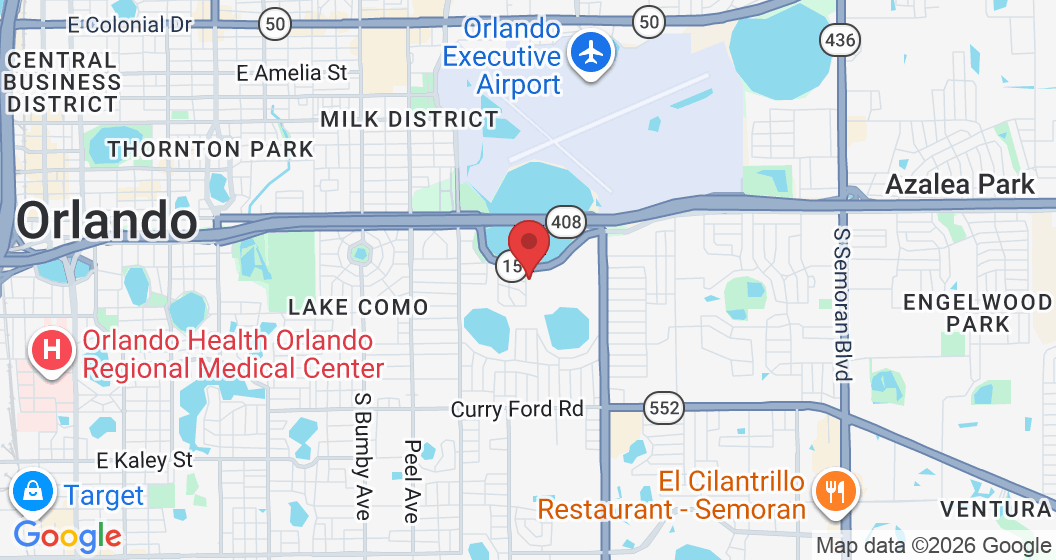
Address: 625 Tam Oshanter Dr. Orlando,
Fl 32803
Payment Option





Financing Available
Our Location
Content, including images, displayed on this website is protected by copyright laws. Downloading, republication, retransmission or reproduction of content on this website is strictly prohibited. | Privacy Policy